
Bamboo torture is based on a simple biomechanical principle: the force exerted by a growing shoot far exceeds the resistance of human tissues. Some species of bamboo can grow several centimeters per hour, which theoretically transforms a plant into a slow perforating instrument. This supposed torture practiced in East and South Asia remains one of the most poorly documented in the history of torture acts.
Biomechanics of the bamboo shoot and perforation capacity
Bamboo belongs to the subfamily Bambusoideae, a group of woody grasses whose growth rate represents an extreme case in the plant kingdom. The pressure exerted by the apex of a shoot results from cellular turgor combined with the progressive rigidity of the stem.
This pressure is sufficient to penetrate compacted soils and even crack hard surfaces. When applied against biological tissues, the shoot exerts a continuous force without mechanical release, distinguishing it from any instrument manipulated by a human operator.
We observe that the majority of species mentioned in historical accounts correspond to the fast-growing varieties cultivated in tropical regions of Asia. To delve deeper into the history of bamboo torture, one must first distinguish the actual botanical properties from narrative extrapolations.
The technical point that popular sources overlook: the shoot does not actually pierce. It progresses by gradually deforming tissues, pushing apart muscle and skin fibers rather than cutting them. The mechanism is more akin to an intrusion than a clean perforation.
Bamboo torture: historical evidence and myth-making
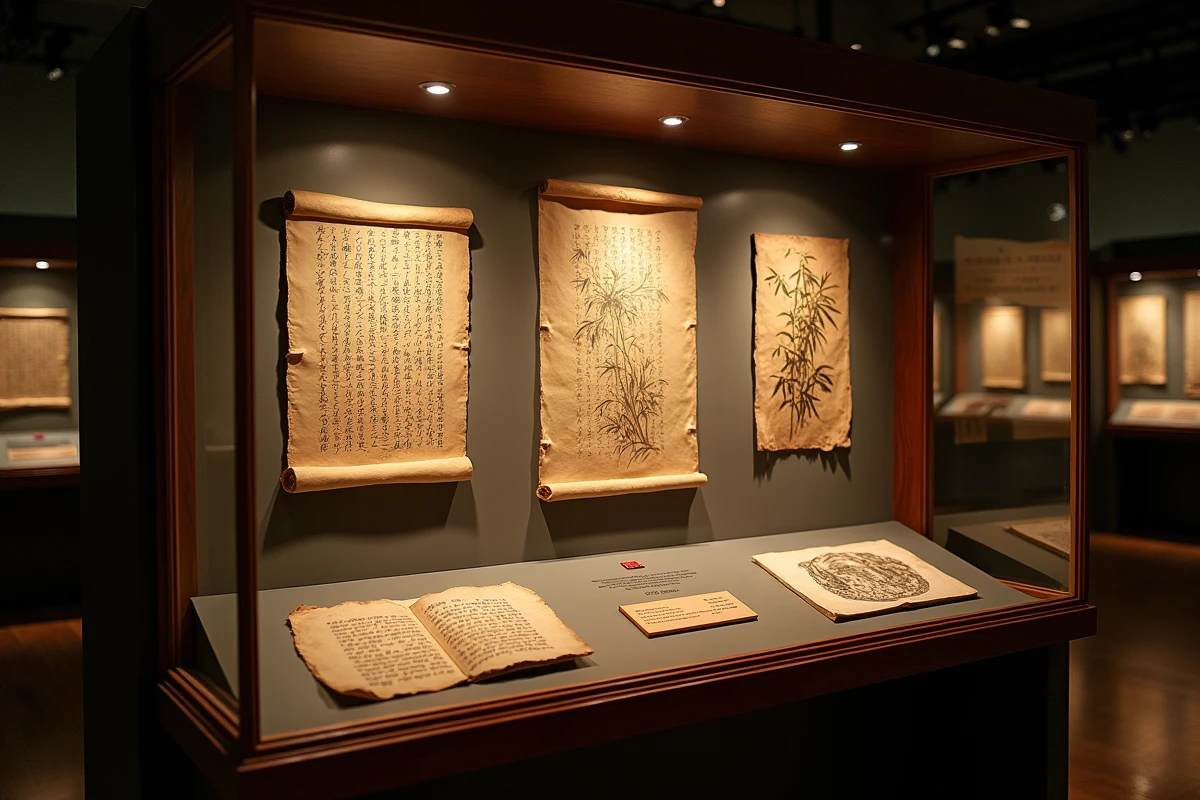
No reliable archaeological or documentary evidence attests to the systematic use of this method. The earliest mentions come from European colonial accounts describing practices supposedly observed in China, India, and Japan, without corroboration from contemporary local sources.
The most frequently cited account comes from testimonies related to World War II. A civilian of unspecified nationality reportedly described the torture as practiced by Japanese forces. This testimony, repeated from source to source, constitutes the bulk of the available documentary basis.
The role of war propaganda
The spread of the myth coincides with the needs of Allied propaganda in the Pacific. Attributing to Japanese forces torture methods borrowing from nature reinforced a narrative of exotic cruelty. Bamboo, an omnipresent material in Asia, served as both a cultural marker and a supposed instrument.
The MythBusters series attempted in 2008 to reproduce the principle under controlled conditions. The shoot did indeed penetrate a substitute for biological tissue, which reignited the popular credibility of the torture. We must note that this experiment demonstrated the physical capability of bamboo, not the historical reality of the practice.
- Asian primary sources (judicial chronicles, penal manuals) do not mention this method among codified executions
- Nineteenth-century European accounts systematically mix direct observation and hearsay, without clear distinction
- World War II testimonies were collected in a conflict context, affecting their methodological reliability
Torture and bamboo in contemporary cultural representations
For several years, the reference to bamboo torture has detached itself from any historical anchor to become a metaphor for slow and inexorable suffering. Western media regularly use it as a rhetorical figure, often without mentioning the lack of evidence.
An analysis published by BBC Culture in 2025 documents this rising trend of cultural references to bamboo torture in Western productions. The torture functions there as a narrative archetype, akin to other medieval torture myths whose historical reality is contested.
Film and literature exploit the organic dimension of the process: a living instrument that grows and does not stop. It is nature turned into executioner that fascinates, not the truth of the fact.

Bamboo as a restraint material in prison: an unexpected ethical debate
Bamboo is experiencing a resurgence of interest in sustainable construction, including for penitentiary infrastructures in several Southeast Asian countries. A renewable, durable, and inexpensive material, it is gradually replacing steel in certain detention structures.
This technical choice raises a symbolic issue that historical sources did not anticipate. Using bamboo as a restraint material in prisons inadvertently reactivates the imagery of torture. Human rights organizations have raised the question, not on a mechanical level, but regarding the dignity perceived by inmates.
Symbolic risk and international law
The UN Convention Against Torture prohibits degrading treatment, a category that includes psychological dimensions. A material associated in the collective imagination with a specific torture could, according to some interpretations, constitute a form of passive psychological pressure.
- Structural bamboo used in construction has no functional relation to a living shoot capable of growth
- The symbolic charge of the material entirely depends on the cultural context of the inmates and prison staff
- No international law text specifically mentions a construction material as a factor of degrading treatment
We observe here a case where historical legend produces real normative effects. The myth of the torture, even unverified, alters the conditions of acceptability of a material in a sensitive context. The question is no longer about what happened, but about what collective representations transform into contemporary ethical constraints.
Bamboo torture remains an object of study that lies at the intersection of botany, military history, and collective psychology. Its strength lies less in its reality than in its cultural persistence, a persistence that paradoxically ends up producing concrete effects on current practices.