Dressing elegantly at 70 raises a measurable question: what objective criteria distinguish a suitable garment from one simply labeled “senior”? High-end ready-to-wear brands are now modifying their patterns for this age group, while pro-aging influencers over 70 are redefining the visual codes of elegance. The answer lies less in clothing taboos and more in precise technical parameters: cut, material, ergonomics.
Senior Pattern and Standard Cut: What Really Changes in Clothing

Several high-end brands have adapted their sizes for women aged 60 to 80. The waist is cut slightly higher, arm ease is increased, and the chosen materials are more flexible. All this is done without altering the visual codes of classic lines, to avoid the stigmatizing “senior collection” effect.
This evolution, documented by fashion industry press between 2022 and 2024, changes the game for those looking for how to dress at 70 according to Le Cercle des Seniors without sacrificing style for comfort.
| Criterion | Standard Cut | Adjusted Cut 60-80 Years |
|---|---|---|
| Waist Height | Average or Low Waist | Slightly Raised Waist |
| Armhole | Fitted, sometimes Narrow | Deeper to Facilitate Dressing |
| Material | Variable (Synthetic, Rigid) | Flexible, Lightweight |
| Seams | Classic Prominent Seams | Flat Seams (Less Irritation on Thin Skin) |
| Visual Codes | Standard Line | Identical to Classic Line |
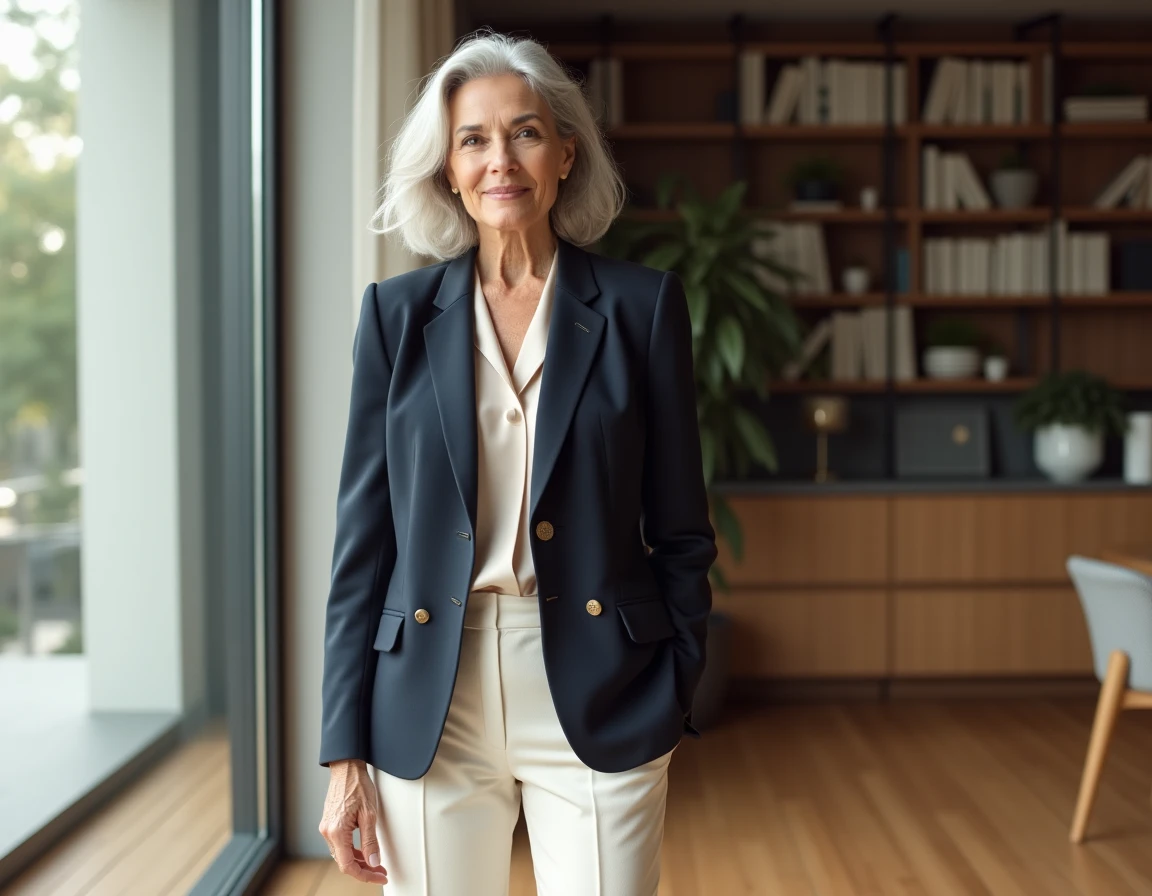
The table highlights a point often overlooked: the modifications focus on ergonomics, not aesthetics. A 70-year-old woman wearing a jacket from a brand that has adapted its patterns visually wears the same jacket as a 50-year-old woman.
Invisible Comfort Details: The Technical Criteria of Elegance After 70
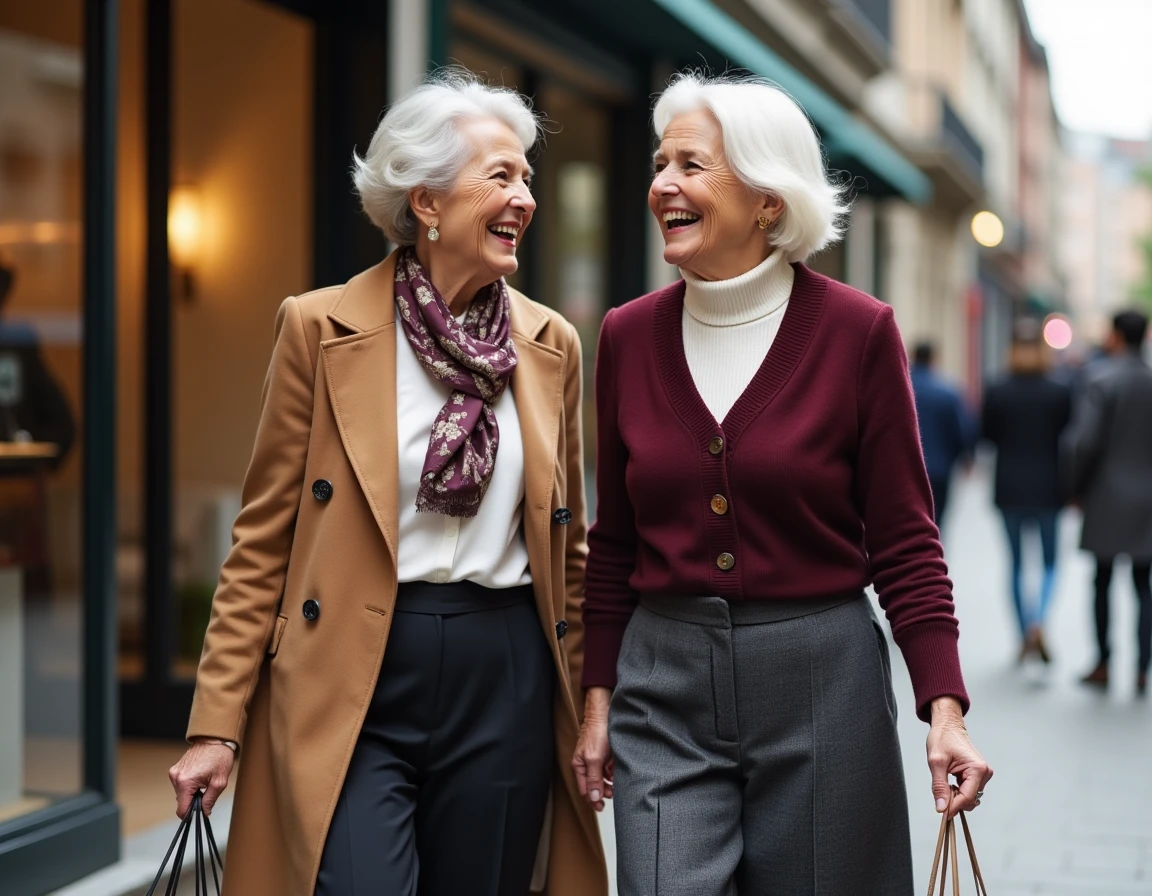
Ergonomists and dermatologists involved in designing clothing for seniors identify determining but invisible details. These technical criteria separate a truly suitable garment from one simply labeled “comfortable”.
- Flat Seams: Skin becomes thinner with age, and prominent seams cause irritations, especially on the shoulders and under the arms. A flat seam eliminates this problem without altering the garment’s silhouette.
- Slightly Deeper Armholes: In cases of joint stiffness, putting on a fitted armhole garment becomes painful. A few extra centimeters change the experience without affecting the drape.
- Reduced Weight of Accessories: Heavy bags and bulky jewelry exacerbate joint pain. Prioritizing lightweight materials (soft leather, fine alloys) maintains elegance without physical constraint.
- Redesigned Closures: Magnetic snap buttons or wide zipper pulls make dressing easier while remaining discreet.
These adjustments are not visible in a photo. However, they transform the daily relationship with clothing and allow wearing structured pieces (blazer, fitted dress) without discomfort.
Pro-Aging Movement and Style at 70: What Senior Influencers Are Changing in Fashion
Since the early 2020s, influencers over 70 like Lyn Slater and Grece Ghanem have regularly appeared in Vogue and The Guardian. Their impact goes beyond anecdote: trend agencies like WGSN and Kantar document a growing acceptance of gray hair, wrinkles, and non-standard silhouettes in fashion campaigns, including in luxury.
The paradigm shift is clear. There is no longer a quest to “look younger” at all costs, but rather to value real age. This produces elegant looks based on confidence rather than concealment.
Concrete Consequences on Clothing Choices
This movement liberates clothing options long considered reserved for the younger crowd. Well-cut jeans, white sneakers worn with a structured coat, or bright colors are no longer seen as fashion faux pas after 70.
Conversely, certain “rules” repeated in traditional fashion guides lose their relevance. The idea that one should avoid bold prints or stick to neutral tones does not hold up under scrutiny: the coherence of the silhouette matters more than the color palette.
Materials and Care: The Decisive Filter for a Sustainable Wardrobe at 70
An elegant garment that wrinkles in an hour or requires dry cleaning after each wear is not a good everyday garment. The material acts as a more reliable selection filter than the brand or price.
The fabrics to prioritize share three characteristics: sufficient flexibility to not restrict movement, dense enough weight to structure the silhouette without adding bulk, and easy care (machine washable, no need for constant ironing). Quality knit, mercerized cotton, or fine merino wool meet these criteria.
Common Pitfalls Regarding Materials
Low-quality polyester, prevalent in collections labeled “senior,” does not hold body heat well and deforms quickly. Pure linen, despite its noble image, wrinkles at the slightest movement and requires demanding care. Mixing linen with cotton or linen with viscose offers the drape without the constraint.
The question of care ties into that of autonomy: a wardrobe made up of easy-to-wash pieces that dry quickly remains functional even when mobility decreases. This parameter, rarely mentioned in style guides, weighs as heavily as the cut in the actual durability of an elegant look.
Elegance at 70 is ultimately measured by technical criteria as much as aesthetic ones. A garment whose pattern respects the morphology, whose seams do not irritate, whose material ages well, and whose care remains simple meets all the conditions. The rest, colors, patterns, accessories, is a matter of personal pleasure, not a norm to follow.