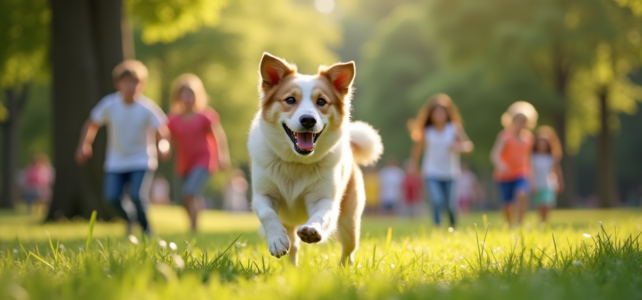
The education and socialization of mixed-breed dogs present unique challenges. Unlike purebred dogs, mixed-breed dogs inherit varied characteristics from their parents, making their behavior sometimes unpredictable. This genetic diversity can also offer health and personality advantages.
Understanding the specific needs of each dog is fundamental to ensuring successful training. Training techniques must be tailored to their individual temperament. Socialization from a young age is essential to prevent undesirable behaviors and promote harmonious coexistence with humans and other animals.
The Specifics of Educating Mixed-Breed Dogs
Training mixed-breed dogs requires an individualized approach. Each dog possesses unique traits inherited from its parents, making the adaptation of training methods fundamental. Take the example of the Beauceron crossed with German Shepherd. This type of dog combines the robustness and vigilance of the Beauceron with the intelligence and obedience of the German Shepherd. An education that incorporates elements from both breeds will maximize results.
Positive Reinforcement Methods
Mixed-breed dogs greatly benefit from positive reinforcement methods. Use treats and toys to reward desired behaviors. This builds confidence and ease in the animal. Here are some practical tips:
- Reward immediately after a good behavior.
- Use high-value treats for challenging exercises.
- Vary the rewards to maintain the dog’s interest.
Understanding Body Language
Understanding canine body language is essential. Mixed-breed dogs can express varied, often subtle signals. Pay close attention to postures, tail movements, and facial expressions. These indicators provide valuable clues about the animal’s emotional state and needs.
Avoiding Overstimulation
Avoid overstimulation, especially during the early phases of training. Too much excitement can lead to anxiety and undesirable behaviors. Plan short, frequent sessions to maintain attention and avoid fatigue.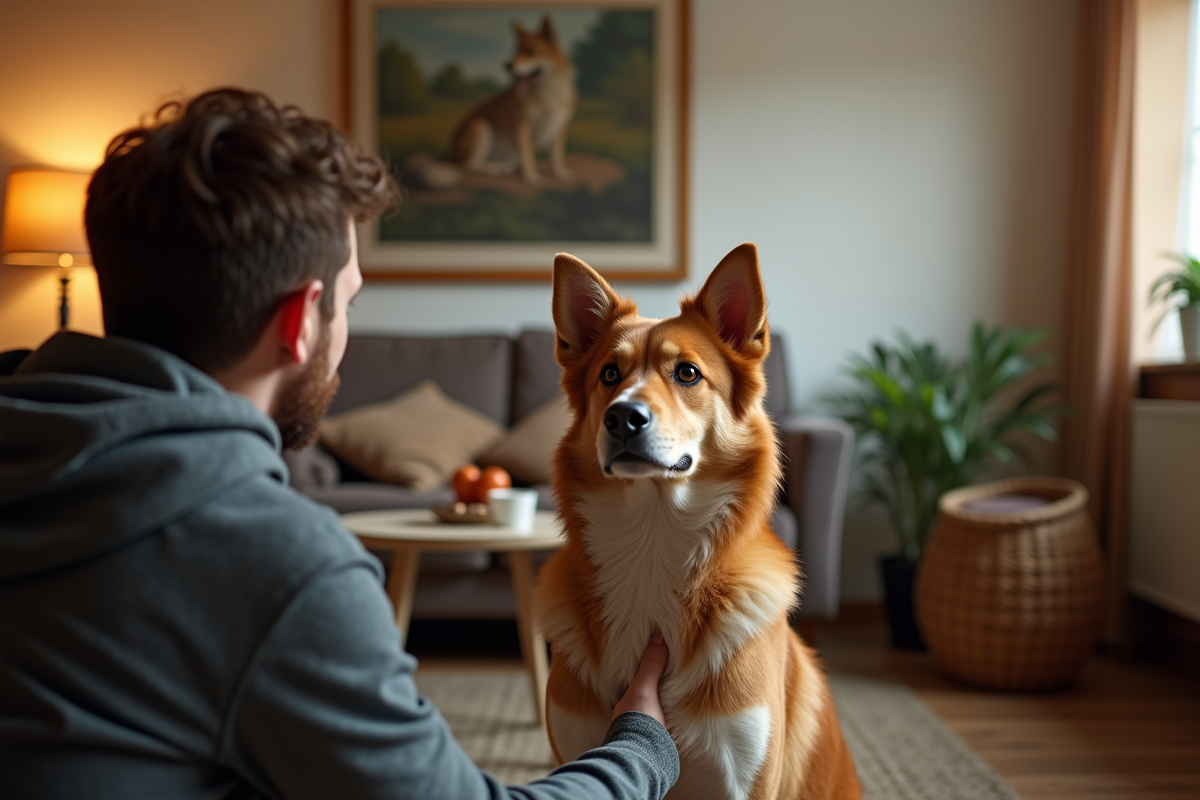
Best Practices for Socializing a Mixed-Breed Dog
Understanding the principles of socialization is essential for any mixed-breed dog owner. Socialization involves exposing the dog to various experiences, people, and other animals from a young age. This step is crucial for developing a balanced and well-adjusted dog.
Controlled Meetings
Controlled meetings are a cornerstone of socialization. Organize walks where your dog can meet other dogs in a safe environment. These meetings should be supervised to avoid undesirable behaviors. Here are some tips:
- Use a leash to maintain control.
- Watch for signs of stress or aggression.
- Intervene if necessary to calm tensions.
Diversifying Experiences
Diversifying experiences is also fundamental. Expose your dog to different environments, sounds, and situations. For example:
- Visit new parks.
- Invite friends with their dogs.
- Expose them to various sounds like car noises or sirens.
Using Toys and Treats
Toys and treats play a key role in socialization. Use them to reinforce positive behaviors and help the dog associate new experiences with pleasant sensations. Treats can also be used to:
- Reward calmness during meetings with other dogs.
- Encourage exploration of new environments.
- Create positive associations with unfamiliar noises or objects.
By following these practices, you will contribute to the flourishing of your mixed-breed dog, ensuring its well-being and safety.