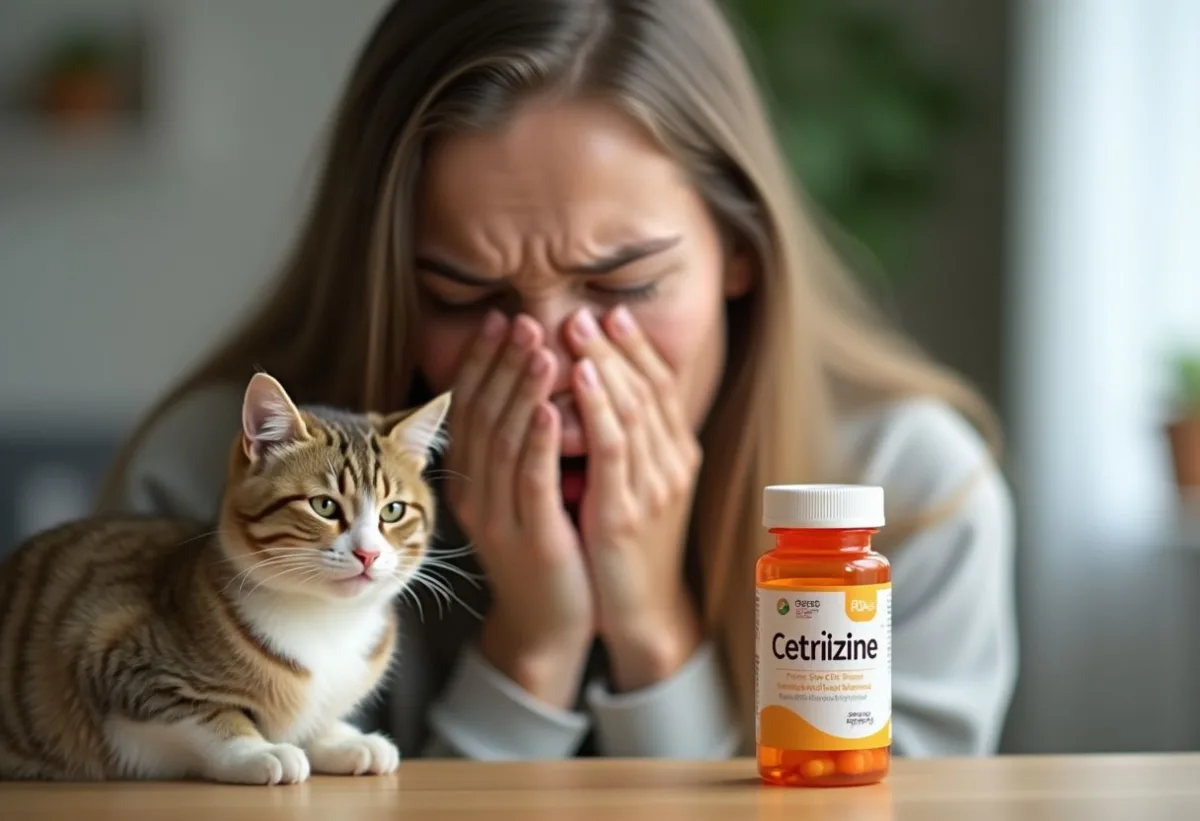
Cat hair allergies affect a considerable number of people around the world. These allergies often manifest as symptoms such as sneezing, itching, watery eyes, and sometimes respiratory complications. Cetirizine is a commonly used antihistamine to alleviate these symptoms. However, for some individuals, this medication fails to provide the expected relief. What to do in such cases?
Understanding the Limitations of Cetirizine
Before seeking alternatives, it is crucial to understand why cetirizine may not be entirely effective. Several factors can influence its efficacy.
- Inappropriate dosage: the dose or frequency of intake may not be suitable for your specific case.
- Type of allergy: some allergies may be more resistant to conventional antihistamines.
- Drug interactions: other medications you are taking may alter the effectiveness of cetirizine.
- Individual variability: each body reacts differently to medications.
Exploring Other Antihistamine Medications
If cetirizine does not sufficiently relieve your allergies, other antihistamines may be more appropriate. There are various types of antihistamines that can offer better relief.
A change in class of antihistamines may prove beneficial. Among the available options, medications such as loratadine, fexofenadine, and desloratadine can be considered. These alternatives may provide longer action or a more potent effect depending on the individual.
It is important to consult a healthcare professional to discuss these options. Medical follow-up can help determine the medication that suits you best, taking into account your medical history and other ongoing treatments.
Considering Complementary and Alternative Therapies
Traditional medicine is not the only path to relieve allergies. Complementary approaches can enrich treatment and offer additional relief.
Firstly, homeopathy and acupuncture are often mentioned for their potential to modulate the immune system. Although scientific evidence varies, some patients report improvement in symptoms after these treatments. Secondly, probiotics play a role in immune regulation. Incorporating probiotics into your diet can positively influence your allergic response.
Finally, practicing relaxation techniques such as yoga or meditation can help reduce stress, which is sometimes an aggravating factor for allergies. These practices contribute to an overall improvement in well-being, which can indirectly lessen the intensity of allergic symptoms.
Adapting Your Environment to Reduce Exposure
Limit your exposure to allergens to reduce the frequency and severity of symptoms. Regarding cat hair allergies, practical measures can be implemented in your living space.
- Regular cleaning: vacuum frequently and use HEPA filters to minimize the presence of allergens in the air.
- Cat-free zones: establish areas of the home where your cat cannot enter, especially bedrooms.
- Cat maintenance: regularly brush your pet to reduce the amount of hair and allergens it sheds.
- Air purifiers: install air purifiers to capture allergenic particles floating in the air.
By integrating these adjustments into your daily routine, it is possible to significantly decrease exposure to allergens and, consequently, the associated symptoms.
Overcoming cat hair allergies may seem complex when cetirizine alone is insufficient. By adopting a multidimensional approach, exploring other antihistamine medications, incorporating complementary therapies, and adapting your environment, it is possible to better manage these allergic reactions. The important thing is to stay attuned to your body’s needs and not hesitate to seek the advice of a healthcare professional to develop a personalized and effective strategy.