
The intersection of technology and medicine has ushered in a new era where the intelligent use of data is transforming the healthcare sector. Advances in artificial intelligence, machine learning, and big data analytics offer unprecedented opportunities for the diagnosis, treatment, and prevention of diseases. Health data, when analyzed accurately, allows for personalized care, a better understanding of pathologies, and more informed medical decision-making. This synergy between data and care promises a revolution in how healthcare professionals approach medical challenges.
The data revolution in medicine: challenges and perspectives
Contemporary medicine is at the heart of a technological revolution where artificial intelligence (AI) plays a fundamental role. The branches of machine learning and deep learning, both stemming from AI, are part of a dynamic of constant innovation. Intelligent analysis of health data, supported by these technologies, paves the way for faster and more accurate diagnoses, thus transforming the healthcare landscape. Medicine, traditionally based on empirical experience, is shifting towards a fundamentally data-centric approach, where every piece of information becomes a part of the complex puzzle that is human health.
This transition to data-driven medicine does not come without challenges. The issue of privacy and security of health data is at the center of concerns. Professionals face the imperative to protect sensitive patient information while leveraging IDU (Intelligence of Utility Data) to enhance care. Managing this data requires a robust and secure technological infrastructure, as well as appropriate regulations to govern the ethical use of AI in medicine.
The ability of technologies such as natural language processing to interpret medical jargon and patient records significantly expands the potential of AI in healthcare. Deep learning systems, by analyzing massive volumes of data, contribute to the emergence of personalized therapies and the improvement of healthcare management. These advances promise a more responsive, predictive, and ultimately more effective medicine, provided that the inherent challenges of data protection and the integration of these technological tools into daily care practices are addressed.
Concrete applications of data science in health: challenges and successes
In the healthcare sector, the concrete application of data science has been illustrated by significant advances in medical diagnosis. Artificial intelligence, through machine learning systems, allows for the analysis of vast clinical data sets with unmatched precision to identify complex diseases, sometimes earlier than traditional methods. This ability to process and interpret enormous amounts of biomedical data transforms clinical decision-making, providing physicians with a powerful diagnostic aid.
At the same time, in the field of medical treatment, AI proves to be an innovative partner, capable of designing tailored therapies for patients. By leveraging genomic and biological data, these technologies are shaping an era of personalized treatments, thereby optimizing therapeutic effectiveness for various pathologies. The technological role here is to adapt medicine to the biological individuality of each patient, a success that redefines care standards.
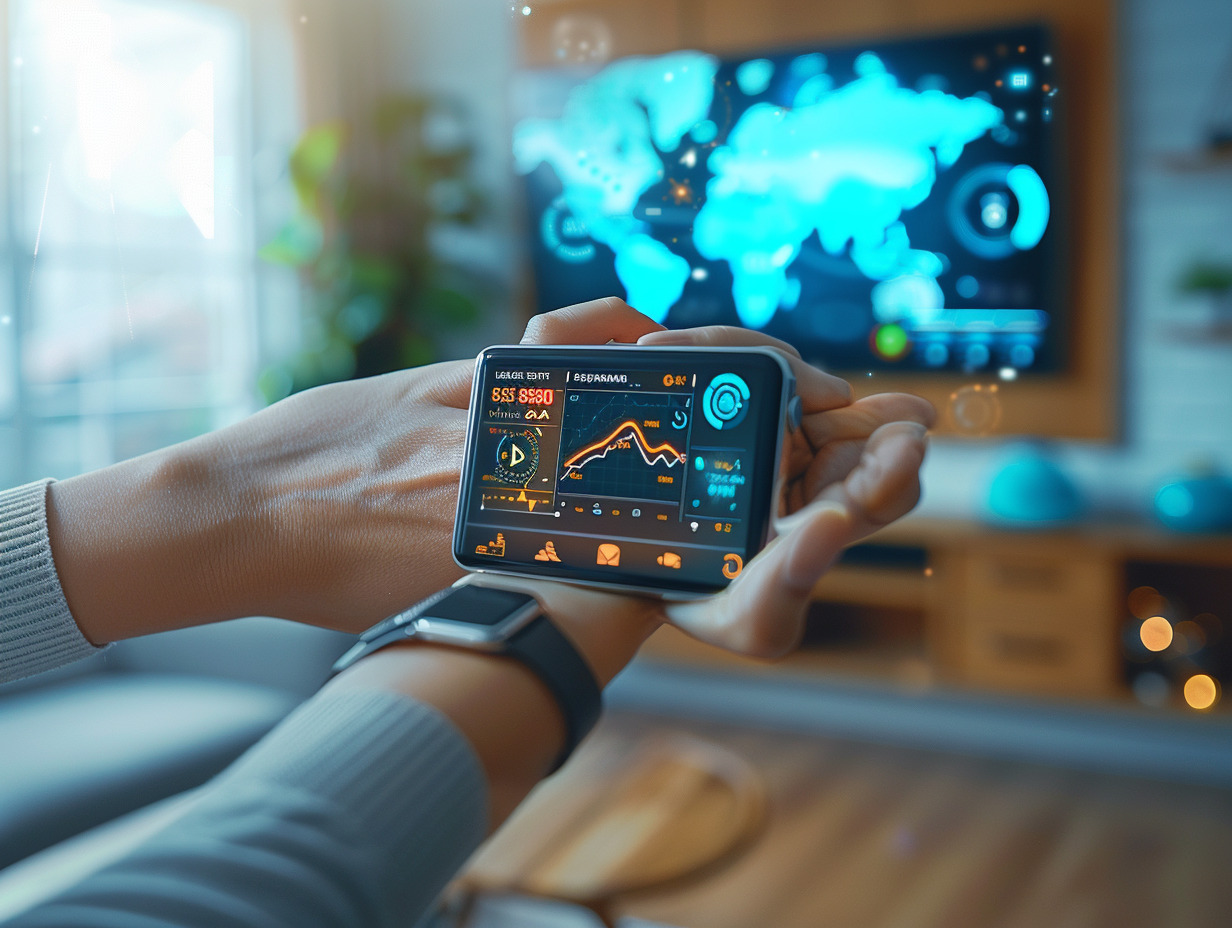
Managing healthcare in the age of data science is not without challenges, particularly the challenge of maintaining confidentiality. Healthcare providers must juggle the use of advanced technologies, such as wearables and telehealth services, with the need to protect patients’ personal data. AI, by facilitating the management of health data and medical records, makes a significant contribution to the organization and efficiency of healthcare systems, conditioned by constant vigilance regarding data security.